How to Decide Between Aging in Place and Assisted Living
 7
minutes reading time
7
minutes reading time
It’s a question many families face: Where will my loved one be happiest and safest as they age? For some, staying at home—ageing in place—means maintaining independence, familiarity, and cherished routines. For others, assisted living offers the peace of mind that comes with professional care and community. Today, tools like stairlifts have removed many barriers that once made ageing in place challenging, offering seniors the freedom to enjoy their homes safely. Let’s explore both ageing in place and assisted living to help you find the best fit.
What is ageing in place?
Ageing in place refers to older adults staying in their own homes or preferred environments as they age instead of moving to an institutional care facility. With the right physical, medical, and emotional support, seniors can maintain their independence, comfort, and quality of life at home.
According to an AARP study, over 80% of older adults in the United States prefer to age in place. For many, it means staying connected to familiar routines, cherished spaces, and communities while accessing personalized care through family members or in-home care. Sometimes, home accessibility updates, like stairlifts, additional lighting, and video doorbells, help keep the entire home accessible and safe. ageing in place allows seniors to continue living life on their own terms, surrounded by the people and places that matter most.
What is assisted living?
Assisted living is a type of senior care where older adults move into specialized facilities designed to meet their medical, physical, and social needs. Residents receive support from trained staff, including help with daily tasks, safety monitoring, and medical assistance.
While assisted living facilities have evolved over the decades, today, they combine care with opportunities for social connection and security. For seniors who need more structured support or specialized attention, assisted living can offer a comfortable, community-focused environment.
Pros & Cons of ageing in Place
Choosing to age in place has benefits, but it also comes with challenges that can often be addressed with planning and resources.
Pros
- Familiar Environment: Seniors remain in a place filled with comfort, memories, and routines, avoiding the disruption of relocation.
- Independence and Autonomy: Ageing in place allows older adults to maintain control over their schedules, home environment, and lifestyle.
- Emotional Wellbeing: Staying close to family, friends, and familiar surroundings can lower stress and provide emotional stability.
- Cost Considerations: Avoiding high facility fees makes ageing in place a cost-effective choice, especially with tailored care plans.
- Personalized Care: Care plans can be customized to individual needs, whether through family caregivers, home aides, or other supports.
- Improves Mental Health: Ageing in place helps older adults feel comfortable, confident, and secure because they can safely access all parts of their home and come and go as they please.
Cons
- Isolation: Seniors may feel lonely without regular social opportunities. However, installing a stairlift can provide them with the freedom of mobility and make it easier to see friends and family.
- Safety Concerns: Stairs, slippery floors, or inadequate home safety features can pose risks. Tools like stairlifts can address these concerns.
- Boredom: Without engagement or activities, seniors may experience a lack of stimulation. However, there are many social activities tailored to seniors that can help them thrive. Plus, installing a stairlift makes it easier for seniors to be active both in and outside of the house.
- Logistical Challenges: Tasks like housekeeping, grocery shopping, or home maintenance can become difficult without support. Once again, a stairlift can make a world of difference and help seniors easily move throughout their home or exit to run errands.
Pros & Cons of Assisted Living
Assisted living provides care and structure but may lack some of the freedoms of ageing in place.
Pros
- Professional Care and Support: Staff provide skilled medical attention and assistance with daily tasks.
- Social Interaction: Group activities and shared spaces make social connections a built-in part of daily life.
- No Maintenance Required: Seniors don’t need to worry about home upkeep, cleaning, or repairs.
- Safety and Security: Assisted living communities are designed to reduce safety risks and provide 24/7 monitoring.
Cons
- Loss of Independence: Seniors may feel a lack of control over routines, space, and decision-making.
- Changes in Routine: Moving to a new environment can be emotionally and physically stressful.
- Cost: Assisted living and any additional medical costs can be expensive.
- Finding the Right Fit: Finding a facility that aligns with personal preferences and care requirements can be challenging.
5 Tips for Choosing Between ageing in Place vs Assisted Living
Choosing between ageing in place and assisted living is a deeply personal decision that depends on unique needs, preferences, and circumstances. It’s not always easy, and there’s no one-size-fits-all answer. As you reflect on what’s best, here are a few important areas to explore.
1. Health and Care
Think about the kind of care your loved one needs today—and what they might need in the future. If manageing daily tasks like bathing, mobility, or medications has become difficult, assisted living can provide consistent, professional care in a safe environment. On the other hand, ageing in place may feel right if their needs are manageable with occasional help—perhaps from family members, home aides, or tools like a stairlift. Understanding their care requirements can help you determine where they’ll feel safest and most supported.
2. Emotional Wellbeing and Social Connections
Consider where your loved one feels most at ease. For many, staying in the comfort of their own home—surrounded by memories, routines, and familiar spaces—brings a sense of peace. Others might find comfort in an assisted living community, where opportunities for social interaction and companionship are built into daily life. What setting aligns with their personality and brings them the most joy?
3. Support Systems
It’s helpful to think about the support already in place. Are there family members, friends, or neighbours who can step in to help with tasks like cooking, groceries, or housework? Ageing in place often works best when there’s a network to share the responsibilities or when outside help—like home care services—is available. If that support feels harder to coordinate, an assisted living community can provide a dependable and structured solution.
4. Home Safety and Accessibility
Take a moment to assess the home itself. Is it easy for your loved one to navigate safely? Are stairs or other barriers becoming a challenge? Sometimes, small adjustments, like adding a stairlift can transform a home into a space that safely supports independence. If significant changes are needed, it’s worth considering whether modifying the home feels practical or if an assisted living community might better meet their needs.
5. Financial Considerations
Lastly, it’s important to weigh the financial side of things. Assisted living costs add up quickly over time. Ageing in place may be more affordable, especially if you’re able to plan ahead for tools like a stairlift or other manageable modifications, which can be a one-time investment to make the home safer. Taking a close look at the costs and aligning them with your loved one’s priorities can provide clarity on what makes the most sense.
Deciding between ageing in place and assisted living isn’t necessarily about finding a “perfect” answer—it’s about discovering what feels right for your loved one’s well being and peace of mind. Whether it’s the comfort of home or the support of a community, the goal is always to ensure they feel safe, happy, and cared for.
Making ageing in Place Possible with a Stannah Stairlift
For many seniors, stairs become a major barrier to ageing in place. A Stannah stairlift removes this obstacle, allowing you to safely and comfortably enjoy your entire home.
Stannah stairlifts are designed for safety, reliability, and ease of use:
- Exceptional Value: A lasting investment in your independence.
- Custom Options: Models for straight and curved stairs indoors or straight stairs for outdoor use.
- Trusted Service: Professional installation and outstanding customer support.
With a Stannah stairlift, you can eliminate stairs as a challenge, giving your loved ones peace of mind and empowering you to age at home with confidence.
Ready to make ageing in place safer and easier? Sign up for a free home survey and stairlift quote.
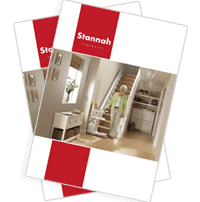
Would you like a free brochure?
Request your free glossy brochure now, and get it delivered straight to your door.