9 Tips for Talking to Your Parents About a Stairlift
 5
minutes reading time
5
minutes reading time
Talking to your parents about adding a stairlift can be challenging, as it touches on deeply personal issues like aging, independence, and the evolving needs that come with physical changes. Many people hesitate to accept a mobility aid, fearing it signifies a loss of autonomy or brings unwelcome attention.
However, perspectives are shifting. Today, more people are beginning to see mobility aids as empowering tools that provide greater control, allowing them to remain fully engaged in their lives and continue enjoying the home they love. A lift doesn’t just make stairs accessible–it reinforces capabilities, removes daily barriers, and offers peace of mind. By focusing on these benefits, you can approach the conversation with empathy, acknowledging any hesitation while emphasizing the lasting freedom a stairlift can provide. Here are some tips to incorporate into discussions with your parents.
Start with Empathy and Open Listening
For many, the need for a stairlift may already be a point of discussion–sometimes following a fall or because of ongoing struggles with the stairs. In these cases, the topic can be emotional or contentious, raising concerns about aging and independence. Whether the topic is new or ongoing, begin by practicing active listening: focus on understanding their feelings and thoughts rather than preparing your responses.
Pay close attention to the specifics they share. If they’re anxious about appearing dependent, validate the importance of their independence and emphasize that you’re committed to finding a solution that preserves it. Or, if they’re worried about cost or installation, you can later share practical details to ease those concerns. Reflecting on what you hear will help shape the conversation in a way that respects their unique perspective and addresses their individual concerns, making them feel truly heard and supported.
Highlight Independence
One of the most empowering ways to frame the stairlift discussion is by emphasizing independence. Acknowledge that the goal is to help them maintain access to their entire home on their own terms, without needing assistance. Explain that the stairlift isn’t about a loss of capability but rather about enhancing their ability to move freely. Reassuring them that this is a proactive choice to preserve autonomy can make the conversation more manageable.
Emphasize Safety and Convenience
Many parents may worry about the safety risks of going upstairs and downstairs, but they may not voice these concerns. Use this opportunity to discuss how a stairlift can provide an added layer of security. Highlight that the convenience of a stairlift doesn’t just make the home safer but simplifies daily activities, especially if carrying items up and down stairs is a strain. This practical framing helps them see the lift as a reliable, sensible addition to the home.
Provide Real Examples and Reassurance
If possible, share real-life examples of people who’ve benefited from a stairlift, whether friends, family, or positive reviews you’ve read. Knowing that others in similar situations have embraced a lift may make your parents more open to the idea. Reassure them that this is a common decision among those who want to keep their home accessible and safe as they age.
Focus on Positive Changes Rather than Problems
To keep the conversation uplifting and positive, avoid focusing on physical limitations or potential hazards. Instead, steer the discussion towards the positive changes a stairlift can bring, like the ease of access to every floor or the joy of continued independence at home. This approach can be reassuring, as it demonstrates that the stairlift is there to support their lifestyle rather than address any perceived shortcomings.
Address Practical Considerations Confidently
Concerns about cost, installation, or aesthetics are natural, so it’s important to address these matters in a straightforward way. Assure them that stairlifts come in various designs to suit different home aesthetics and that you’ve researched reliable options that balance quality with affordability. Being well-prepared and confident in your responses helps reassure them that this suggestion is practical and thoughtful.
Be Honest and Transparent
Express your genuine concerns for their safety and well-being. Be honest about why you believe a stairlift would be beneficial, whether it’s because of specific challenges you’ve noticed or concerns they’ve shared in the past. Transparency helps keep the conversation authentic, showing that your suggestion is rooted in love and concern, not in trying to dictate or control their choices.
Encourage Their Involvement in the Decision-Making
Rather than presenting the stairlift as a done deal, encourage them to join you in researching different models, reading reviews, and even scheduling a test at a showroom. Involving them in decision-making respects their autonomy and allows them to feel ownership of the final choice. A collaborative approach demonstrates that you value their input, reinforcing that this decision centers around their needs and preferences.
Reassure Them of Your Support
Let your parents know you’re there to support them in any decision. Whether they’re ready to consider a stairlift or need more time, expressing your support can help them feel more comfortable. The reassurance that you’re advocating for their comfort and happiness, rather than pressuring them, keeps the discussion considerate and caring.
Stairlifts for Elderly Parents From Stannah
At Stannah, we understand that choosing a stairlift is more than just a practical decision–it’s a choice to support a loved one’s independence and comfort at home. As a family business, we’re here to help you make the best choice for your family’s needs.
Contact Stannah to learn more and request a free quote.
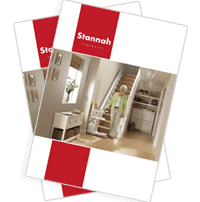
Would you like a free brochure?
Request your free glossy brochure now, and get it delivered straight to your door.