Your guide to aging-in-place accessibility: Safety & comfort at home
 5
minutes reading time
5
minutes reading time
As more older adults choose to age in place, home accessibility and comfort have become top priorities. Many challenges can be addressed with simple adjustments, but when stairs start to feel difficult or risky, a more complete accessibility solution may be needed.
Are stairs becoming a barrier?
Stairs can become difficult to manage at any stage of life. Sometimes this happens gradually, as balance, strength, or vision change over time. Other times, it may result from an injury or other condition that affects stability or endurance. Whatever the cause, if climbing stairs feels uncomfortable or uncertain, it’s worth exploring ways to make your home easier to access and enjoy.
Here are eight signs it might be time to consider a stairlift or other home access solution.
8 signs it’s time to consider a stairlift

1. You’re finding it harder to see the stairs clearly
Declining vision can make everyday navigation more challenging, especially around staircases or uneven flooring. Bright lighting, clear contrast on step edges, and high-visibility markings can all make a difference. If stairs are becoming difficult to judge visually, consider broader accessibility improvements such as better lighting, handrails, or a stairlift to provide a secure, guided way to move between floors.

2. You’ve fallen—or you’re worried about falling
Falls are among the most common home accidents for older adults. Eliminating loose rugs, extension cords, and other tripping hazards can make your home safer. But if stairs continue to feel uncertain, a stairlift can provide a stable, consistent ride up and down—reducing the need to navigate steps when you don’t feel confident doing so.

3. You need help using the stairs
If you find yourself waiting for someone to help you get up or down the stairs, or if using them requires significant effort, a stairlift may help restore a sense of independence. Planning your day around the stairs can be exhausting. A stairlift allows you to use your home freely, without relying on others for assistance.

4. You’ve moved your bedroom downstairs
Relocating your bedroom to the main floor can seem like an easy fix, but it often limits how you use your home. A stairlift helps you continue enjoying every level—keeping private and shared spaces separate, and preserving the full comfort of the home you’ve built.

5. You’re avoiding your yard or outdoor spaces
Outdoor steps can present the same challenges as indoor stairs. If you’ve stopped spending time on the porch or in the garden because it’s difficult to reach, an outdoor stairlift can make it more comfortable and convenient to enjoy the fresh air and sunshine again.

6. You’re considering moving to a new home
Moving to a single-story house might seem like the only answer, but it comes with financial costs, stress, and the loss of a familiar environment. Installing a stairlift allows you to stay in the home and community you love—often for much less than the cost of moving.

7. You’re thinking about assisted living
Transitioning to assisted living or a nursing facility can be a difficult decision. If the main challenge is accessing your stairs, a stairlift can be an effective way to make your home more practical and reduce the need to relocate. Talk with your family and trusted professionals to decide what works best for your situation.

8. You’re comparing home elevators or major remodels
A home elevator can certainly improve accessibility, but it usually requires significant renovation and cost. Stairlifts offer a simpler alternative: fast installation, no major building work, and a fraction of the expense—making them an efficient and practical choice for most homes.

Stair Lifts: a practical aid for aging in place
When stairs begin to limit your access to parts of your home, it can be discouraging. A stairlift provides a straightforward, comfortable way to continue using your entire house with ease.
Stannah offers models for straight, curved, and even outdoor staircases—each designed for smooth operation and built-in safety features such as seatbelts, swivel seats, and obstruction sensors.
With over 150 years of lift experience and nearly five decades of stairlift manufacturing, Stannah understands how to design products that combine comfort, dependability, and peace of mind. Our goal is to make every home easier to access—without costly renovations or complicated installation.

Benefits of installing a stairlift
- Quick installation: Usually completed in less than a day.
- No remodeling required: Stairlifts attach to your stairs, not the wall.
- Preserves your home: No damage to floors, stairs, or walls.
- Flexible design: Fits straight, curved, narrow, or steep staircases.
- Cost-effective: More affordable than moving or building a new addition.
- Continued enjoyment: Access every floor of your home, inside and out.

When is it the right time to buy a stair lift?
There’s no exact moment when it suddenly becomes “necessary.” For many, it’s when stairs start to feel like an obstacle—or when the fear of falling begins to outweigh the convenience of using them. If any of the signs above sound familiar, it’s worth exploring your options. A free in-home consultation can help you decide what best suits your home and lifestyle.
How to buy a stairlift?
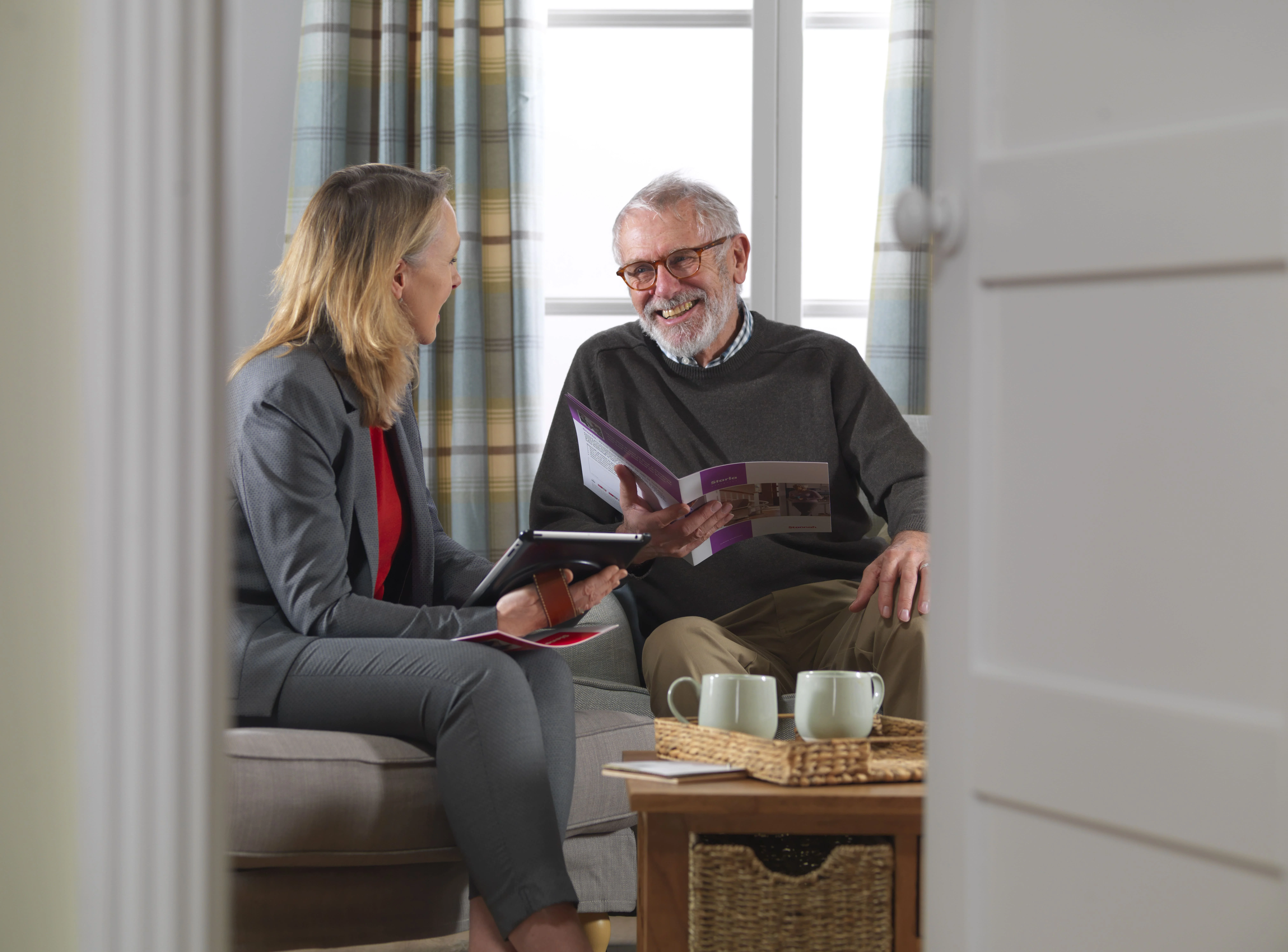
1. Schedule a free home survey.
A Stannah advisor will measure your staircase, discuss your layout, and explain all available options.
2. Get your free, all-inclusive quote.
Your quote includes professional installation—no hidden fees.
3. Installation and demonstration.
Once installed, your technician will test the stairlift, review the safety features with you, and ensure you’re fully comfortable using it.
Aging-in-place accessibility checklists
Even if you’re not ready to install a stairlift yet, small changes can make your home easier to navigate.
Fall Hazard Checklist
- Keep walkways and stairs clear of clutter.
- Secure or remove throw rugs.
- Reposition cords and cables away from footpaths.
- Improve stair lighting.
- Add non-slip treads or carpeting to wooden steps.
Home accessibility checklist
- Check for balance and steadiness on stairs.
- Consider endurance—do you get tired climbing steps?
- Make sure lighting and contrast are sufficient for visibility.
- Evaluate breathing or energy levels—are stairs overly taxing?
Making home accessibility simple
Aging in place means being able to live comfortably and independently in the home you love. With thoughtful planning, a few smart adjustments, and reliable accessibility solutions like a Stannah stairlift, you can continue to enjoy your home comfortably and confidently, and for years to come.
Would you like a free brochure?
Request your free glossy brochure now, and get it delivered straight to your door.